Club Access Lab
Written by Tilde De Vylder
Photographs: Simon Breynaert
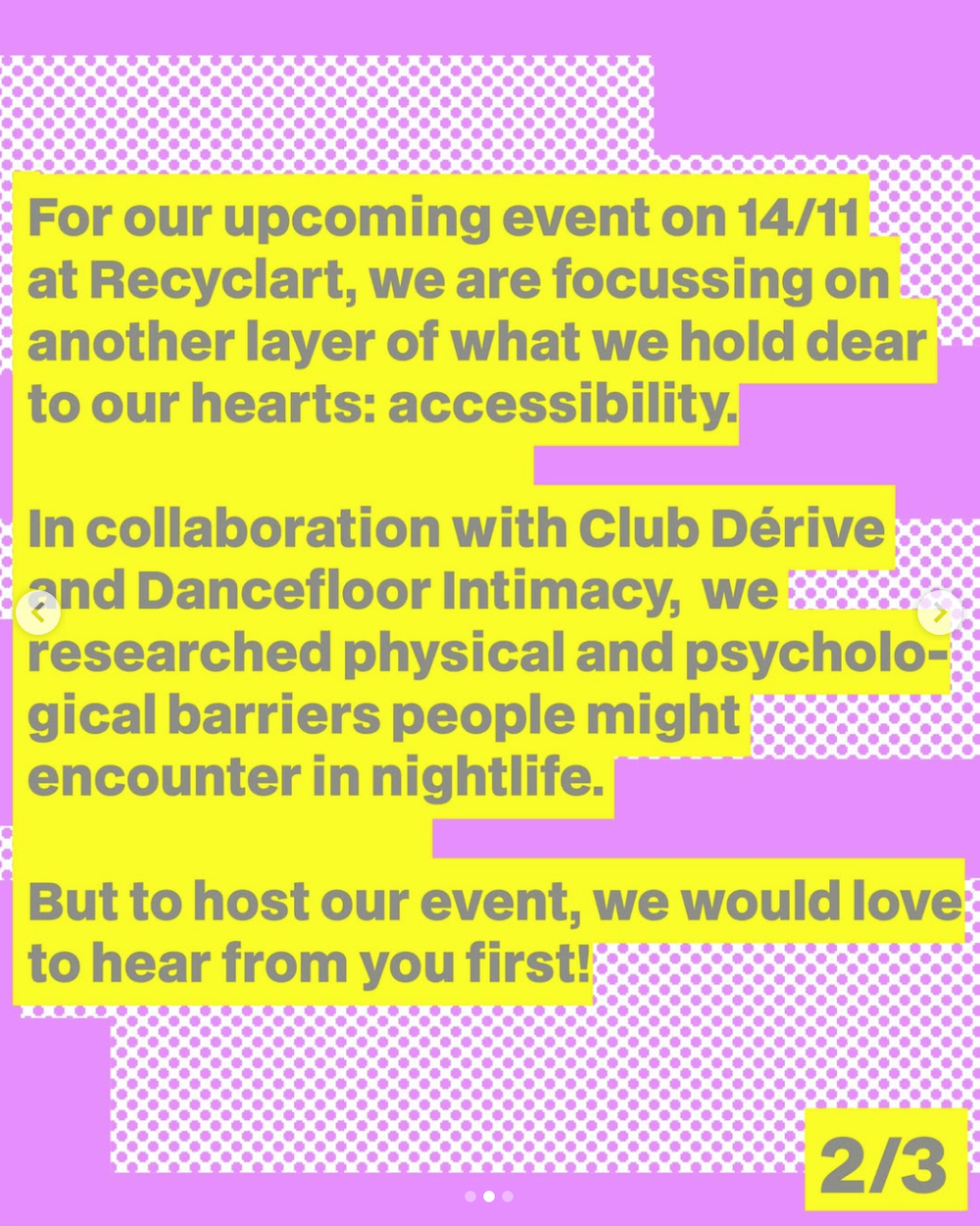
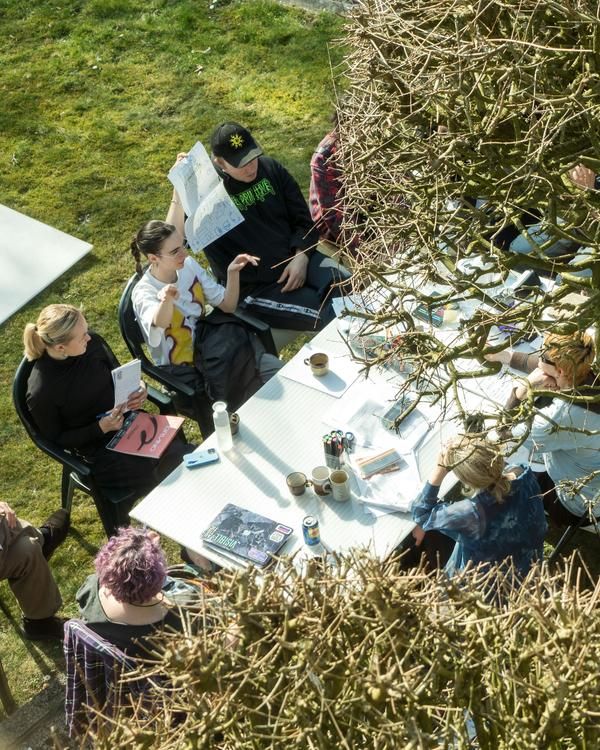
In mid-February 2025, Dancefloor Intimacy, Club Dérive and Montage launched an open call for their ‘Club Access Lab’. Together, in the weekend of the 7-9th March, they would host a workshop on accessible club design - the theme where the practices of the three collectives intersect.
On the one hand there is Dancefloor Intimacy, a London based ‘movement’ putting a broad understanding of ‘accessibility’ at the forefront of a vibrant nightlife culture. By gathering the lived experiences of clubgoers - a group which bans no disability or neurodiversity - and allowing them to unleash their imagination, Dancefloor Intimacy bridges the gap between research and actionable change, thus between the current - excluding - and optimal - inclusive - situations.
In this endeavour, Club Dérive, is the perfect partner in crime. With space as their instrument and by relying on psychogeographic theories, CD's scenographies aim to be more than installations. Rather they are ‘ambiances’ - animated and appropriable settings, resulting from and at the same time stimulating an intense interaction between the objective environment and the individual subject. In the same way CD’s scenographies are not just installations, Montage's events aim to be not just parties. With every event, Laura Conant and Jonathan Cant - founders of Montage - try to radically shift club conventions: however crazy an idea, it is never too crazy to explore.
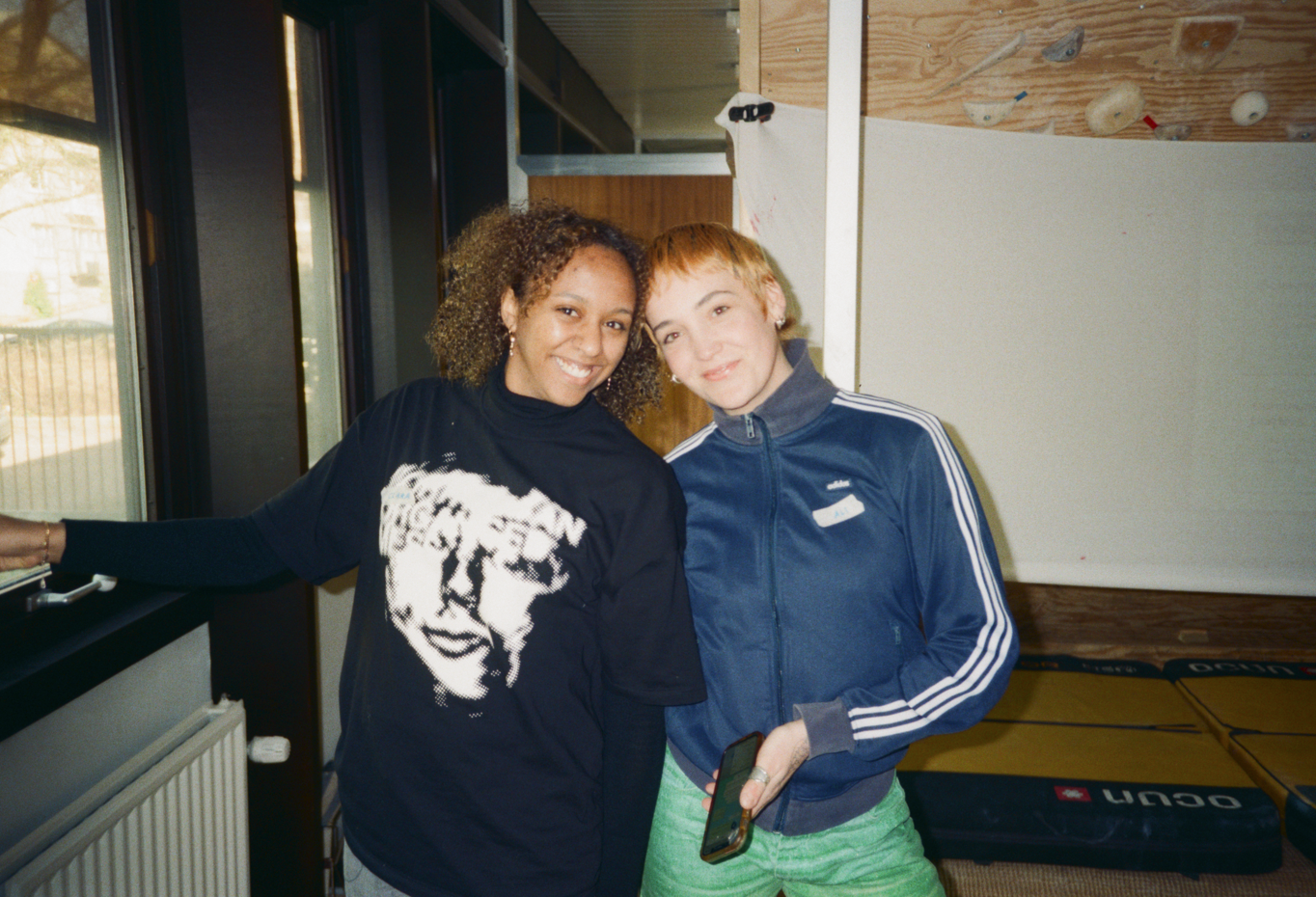
On the part of Dancefloor Intimacy, founder Ali Wagner - trained as product and industrial designer, focussing on social and environmental strategies for the nightlife and music industry - is present and organising the workshop. For Club Dérive, Clara Golfa Sambay - an Environmental and Prevention Management student - leads the Lab alongside Ali.
The joint workshop is then a trialogue in which two questions prevail:
- What does a utopian clubbing experience look like? and
- How do we build it?
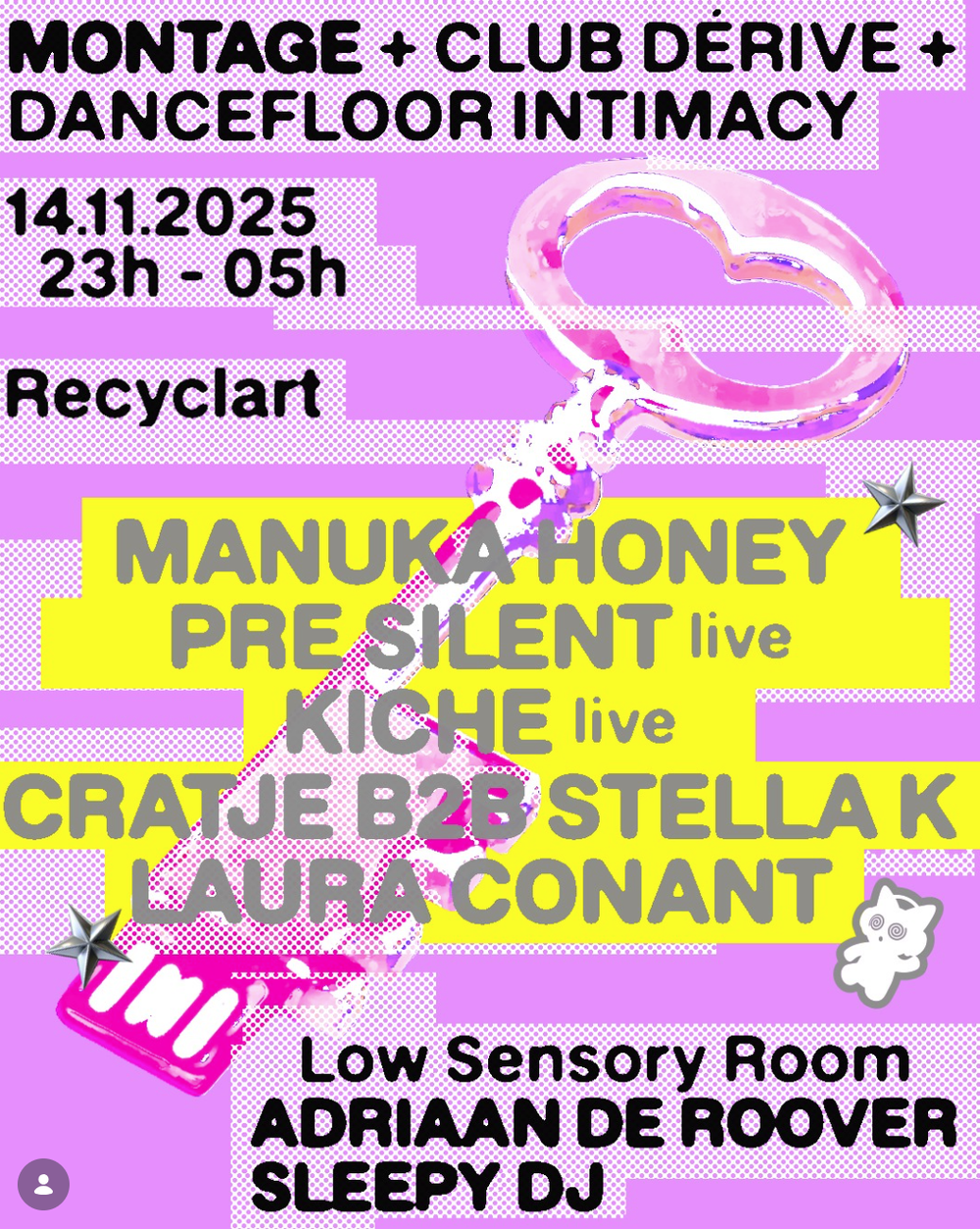
To guide our thoughts, giving a clear direction to the experiment, our answers to these questions are to be translated into concrete design interventions, with the next Montage party in Recyclart - a multidisciplinary art, culture and club space in Molenbeek - as case study.
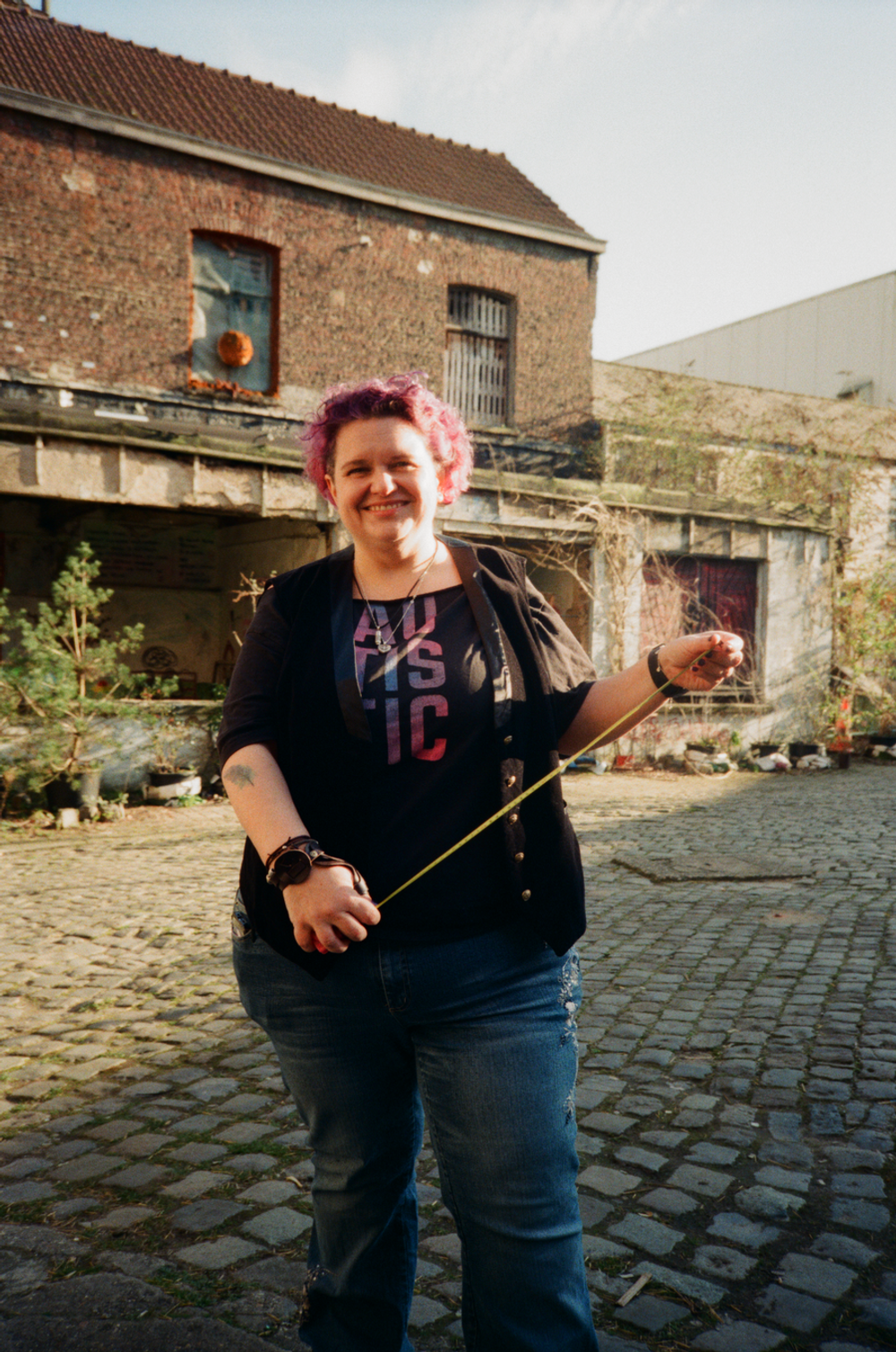
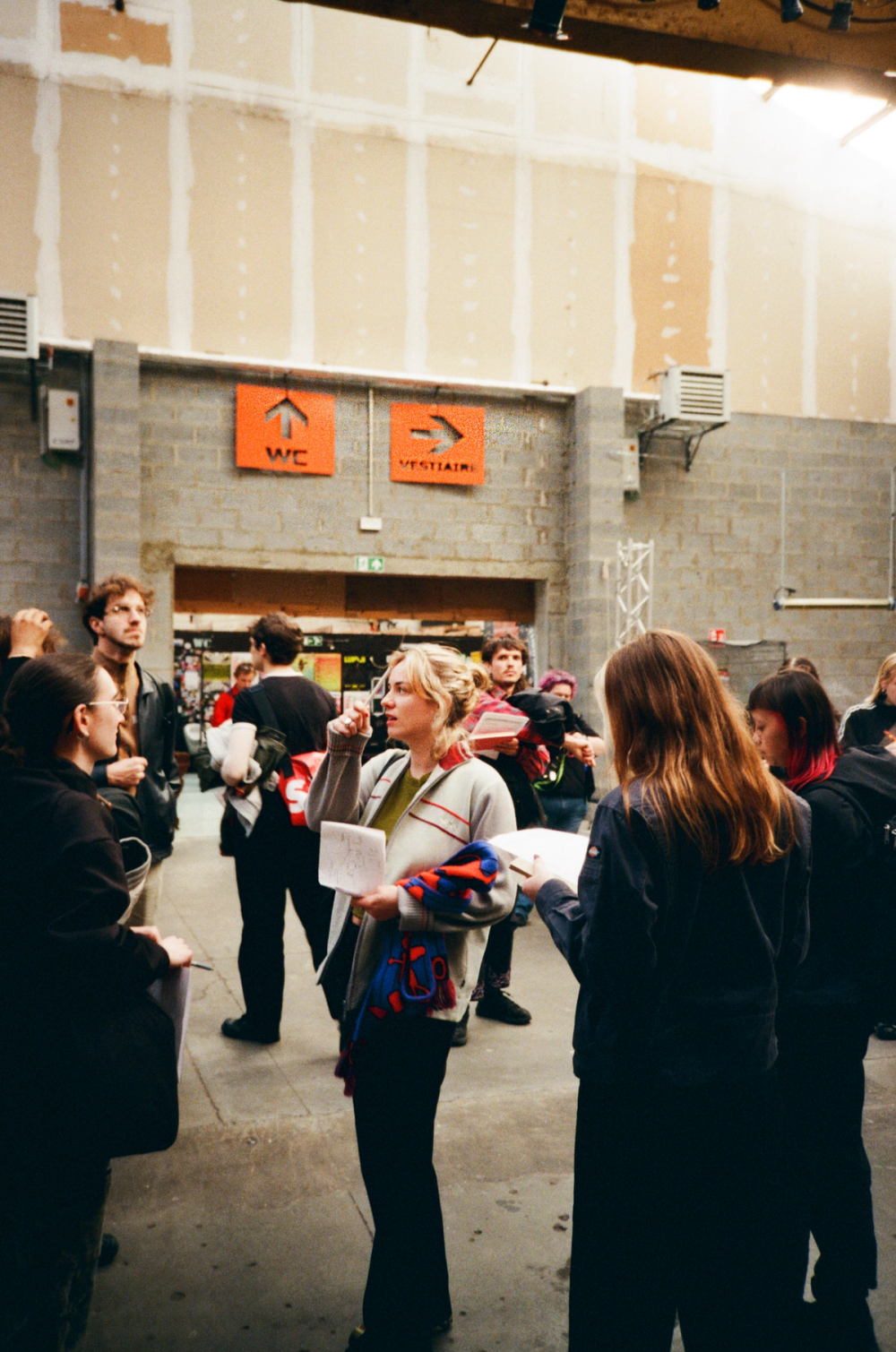
During the course of three days, we went from reality to utopia and back, balancing options and constraints, weighing out problems and solutions, navigating between past, present, future. The first day was all about establishing the theoretical framework on which to build.
Ali laid out some central notions for understanding accessibility and disability: we talked about definitions and misconceptions, learned about the spoon theory and the notion of universal design, pinned the social model of disability against the medical one. (I won’t go into detail about these concepts here, but strongly encourage you to google them.) Armed with this theoretical foundation, we set out to do an in situ audit of Recyclart, aiming to understand the barriers that exist for people with access needs. You can find the audit template here.
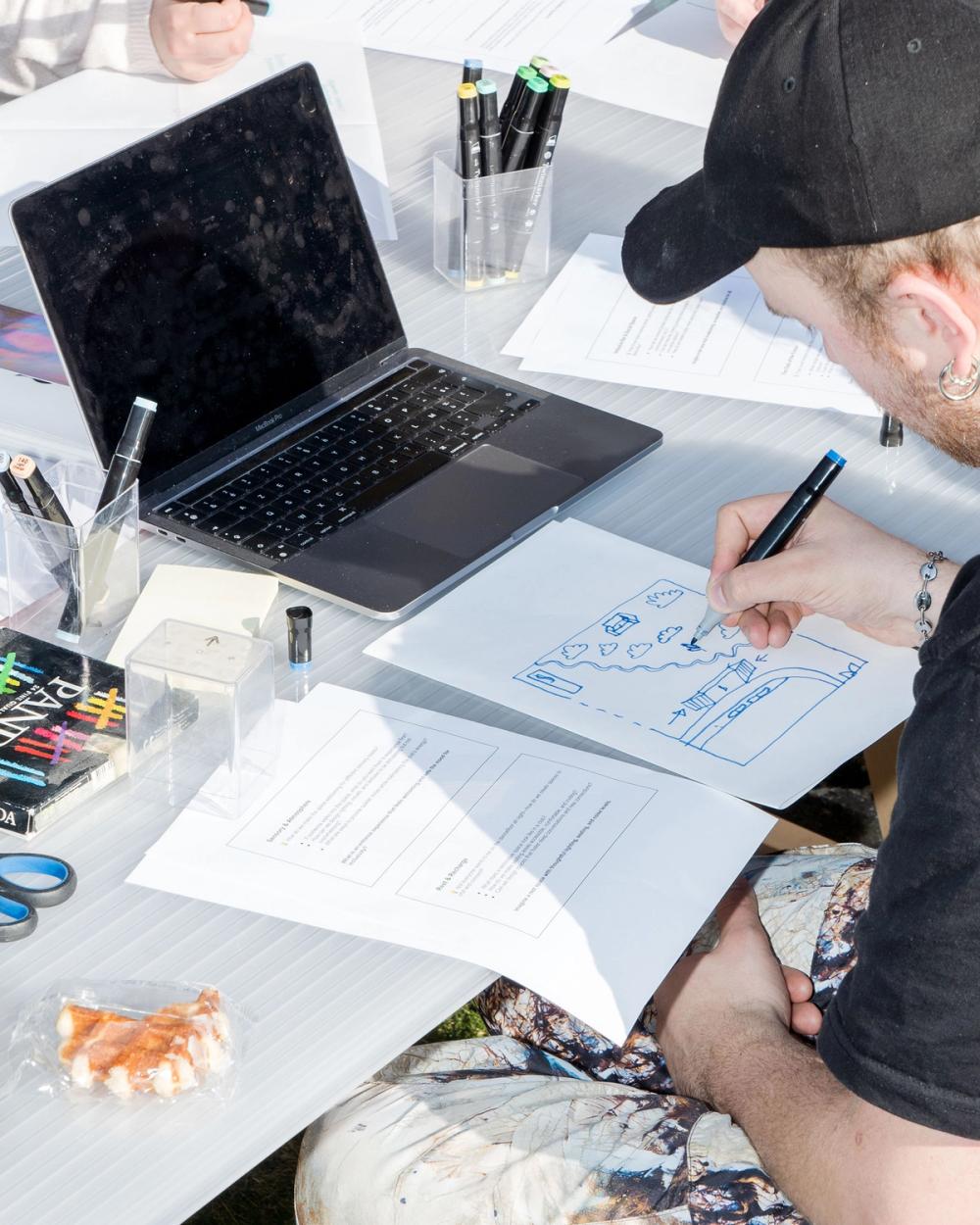
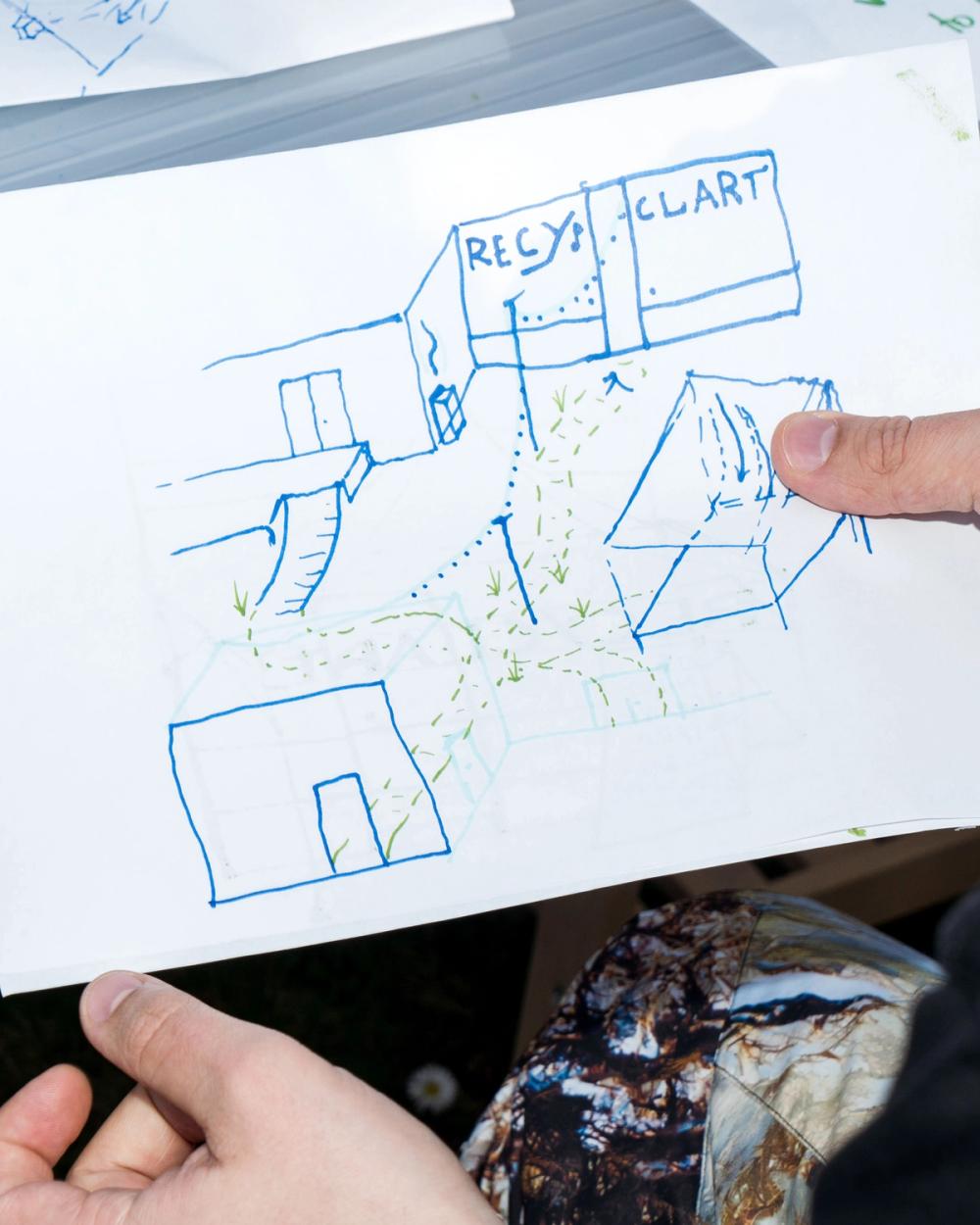
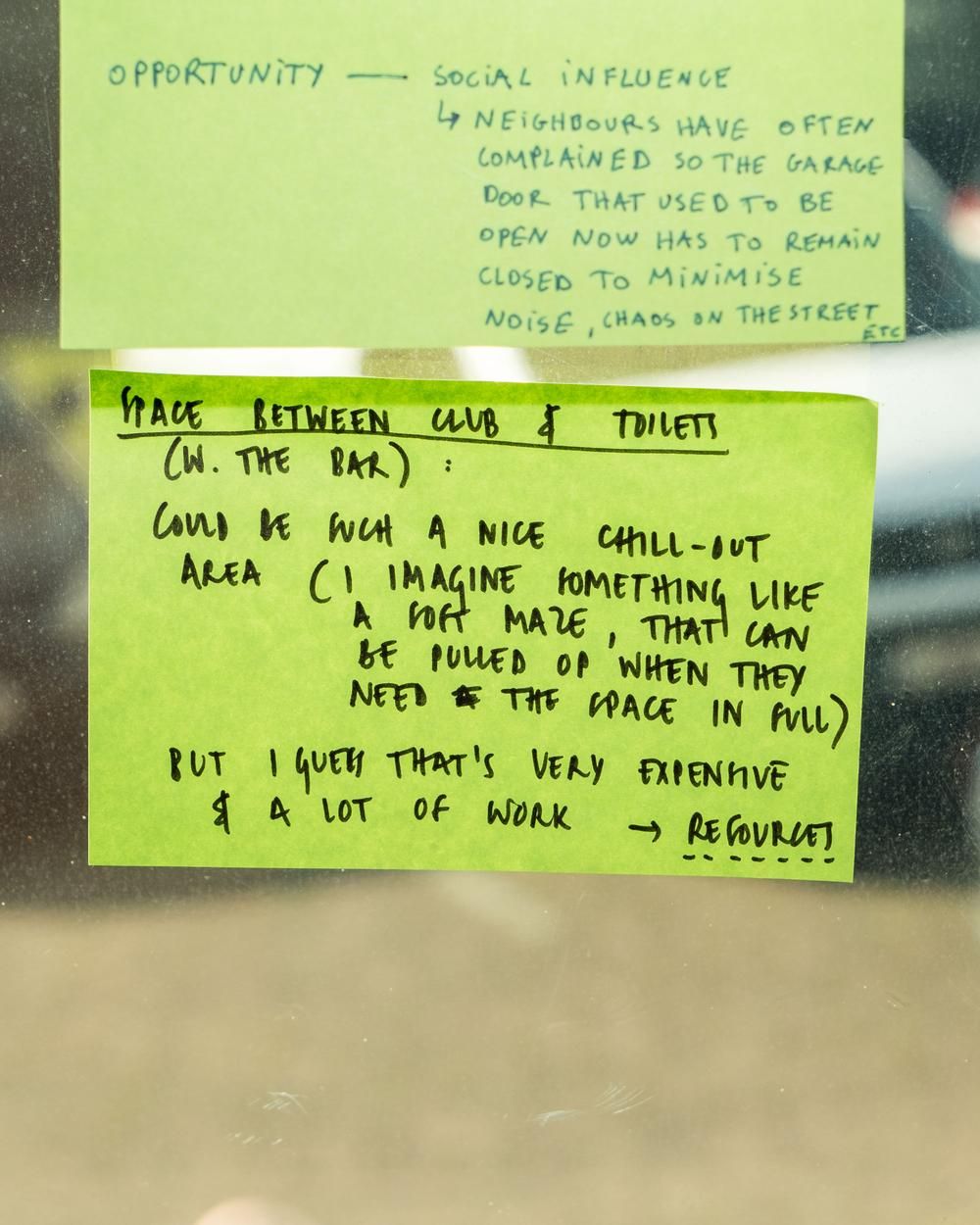
Identifying possible solutions for these barriers was the goal of the second day. With a post-it-exercise on how to turn theory into action, Clara guided us towards a collective brainstorm session. Gently we entered the realm of ideas, putting words and giving shapes to our own ultimate utopian club experiences - no scenario being too far-fetched, no fantasies too far-stretched.
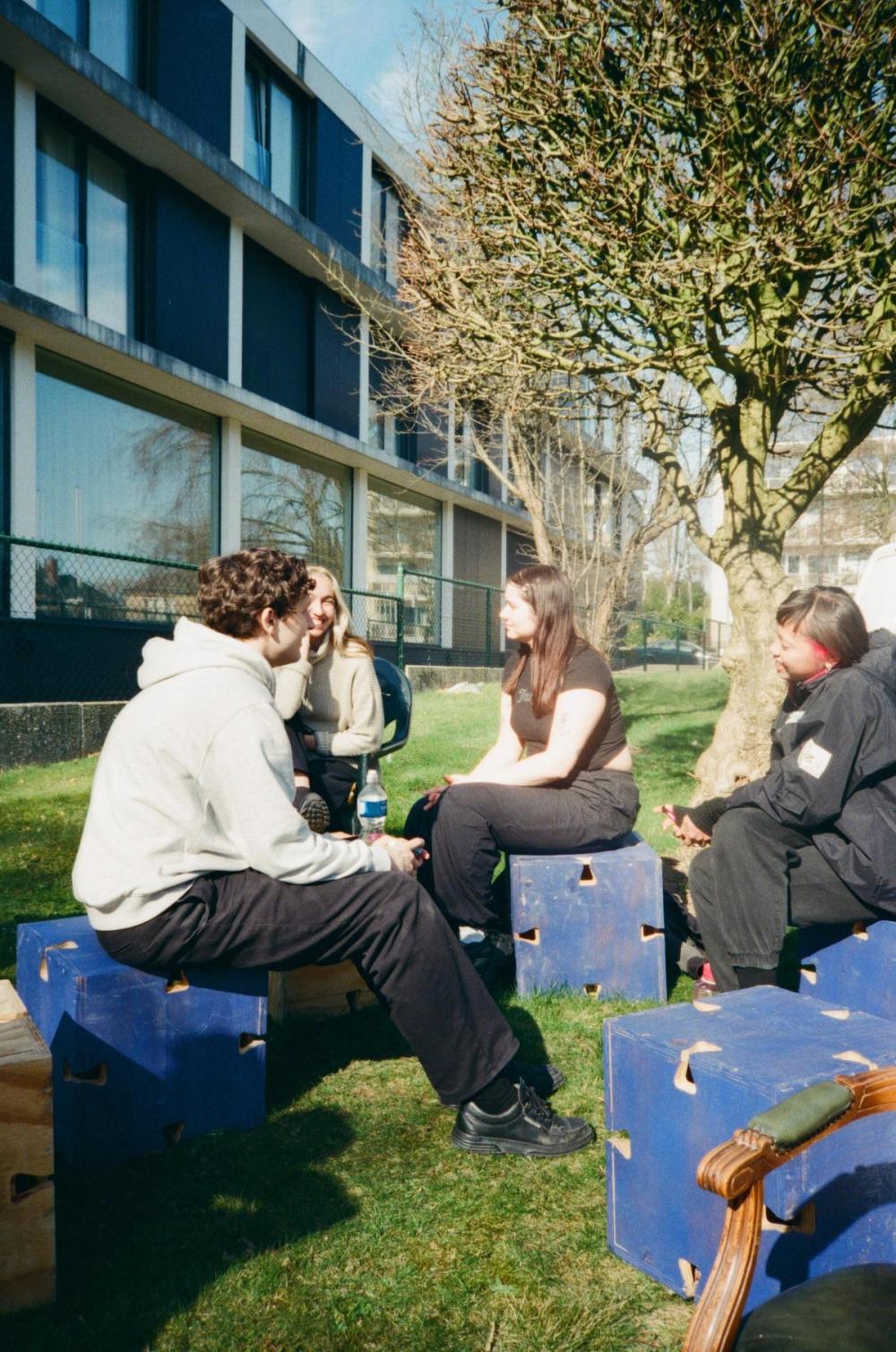
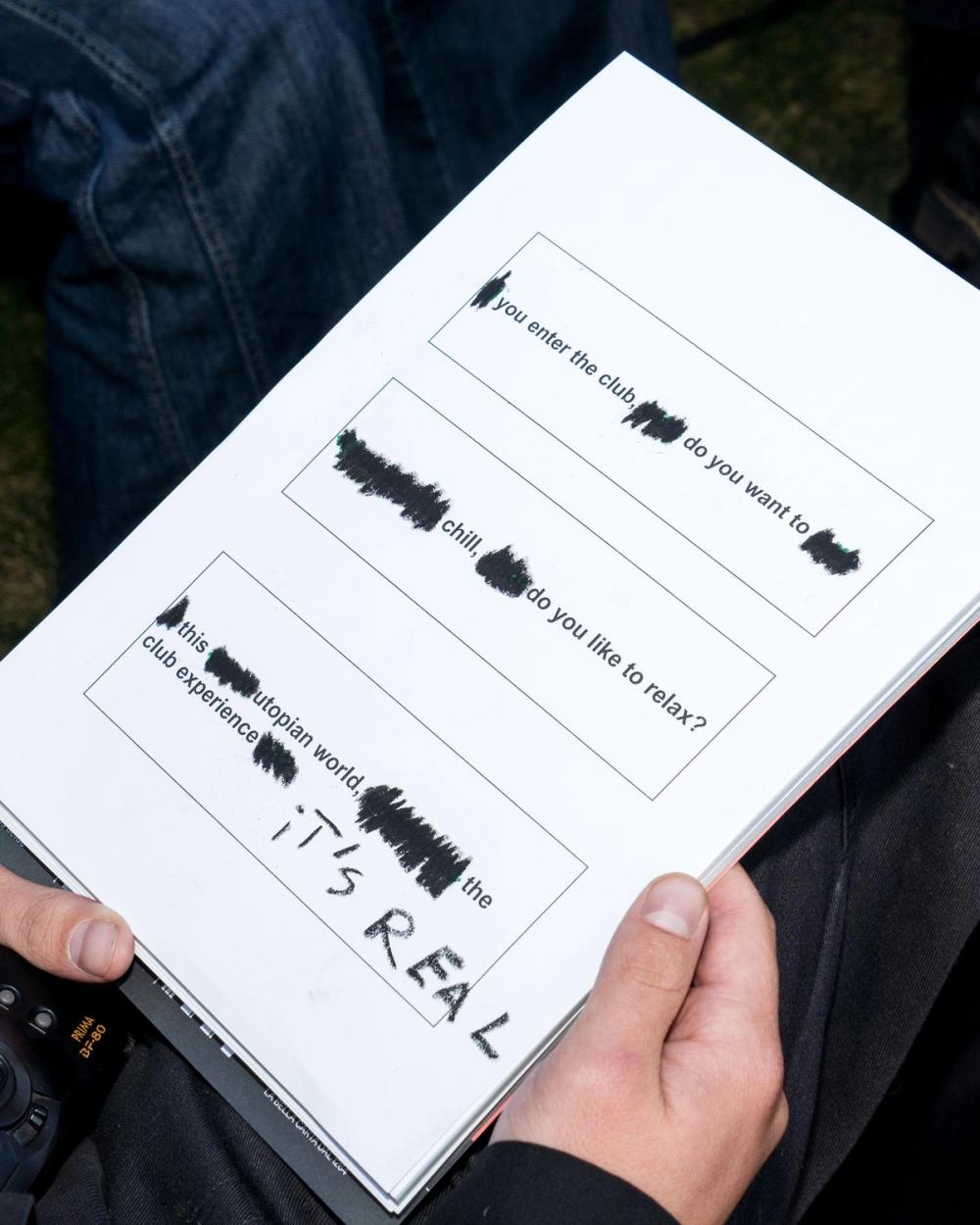
On Sunday our rather floaty proposals were to land, in order to arrive at concrete designs with distinct forms and clear materiality.
Joining the workshop was a motley group of about 15 individuals, all as creative as colourful. Many have backgrounds in architecture and art, but there’s also experience in film, theatre, (health)care and gender studies. The multidisciplinary gang also brings with it a multi-layered reading of the world, due to their non-conforming engagement with it.
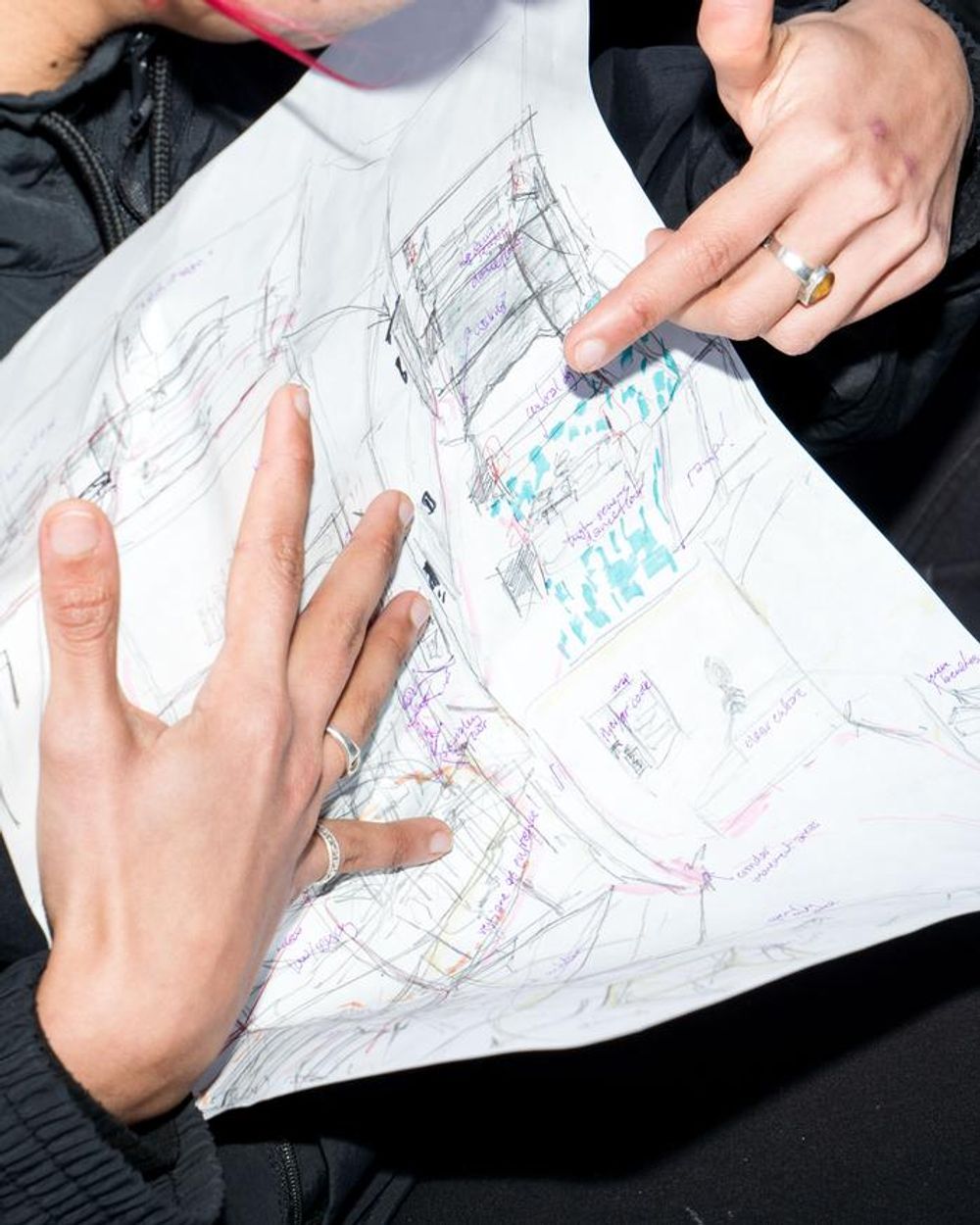
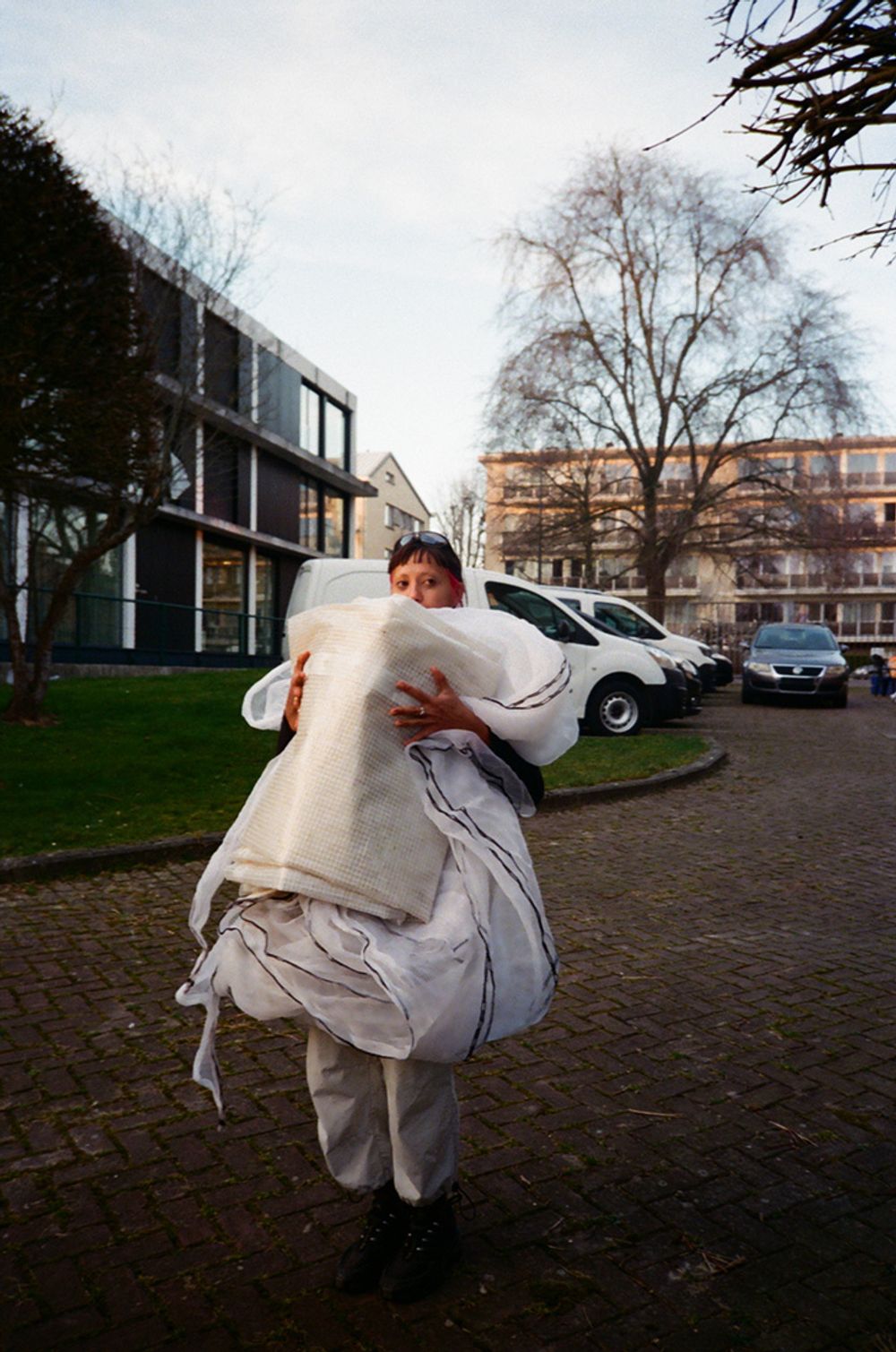
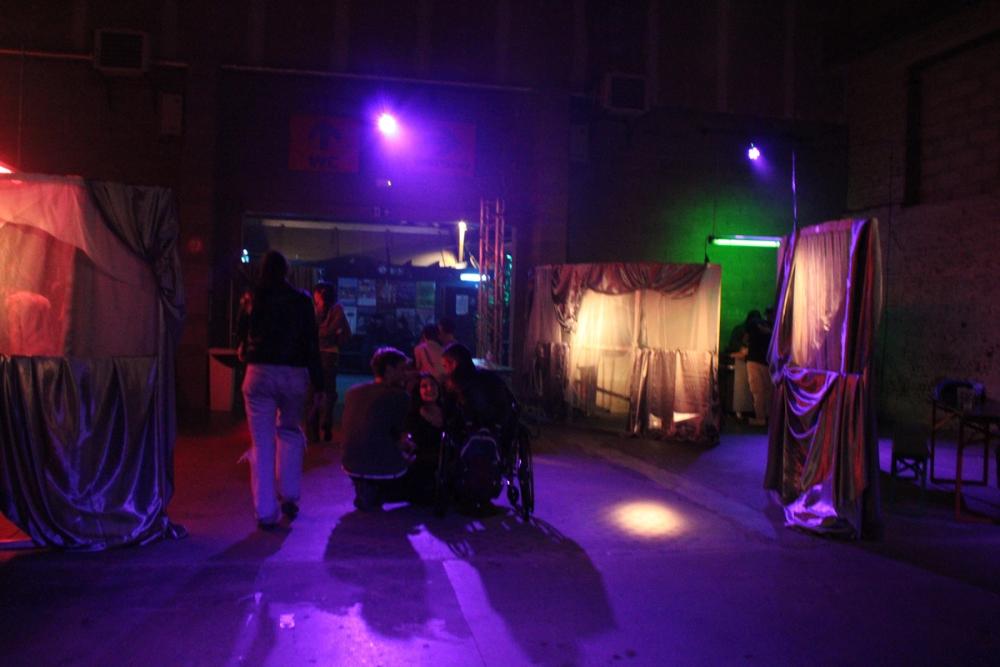
In November, the work that had gone into research, discussion, and design finally came to life at Recyclart. With zero budget, a series of meaningful changes were made to the venue — some temporary, some permanent — proving that accessibility improvements don't have to be expensive, they just have to be a priority.
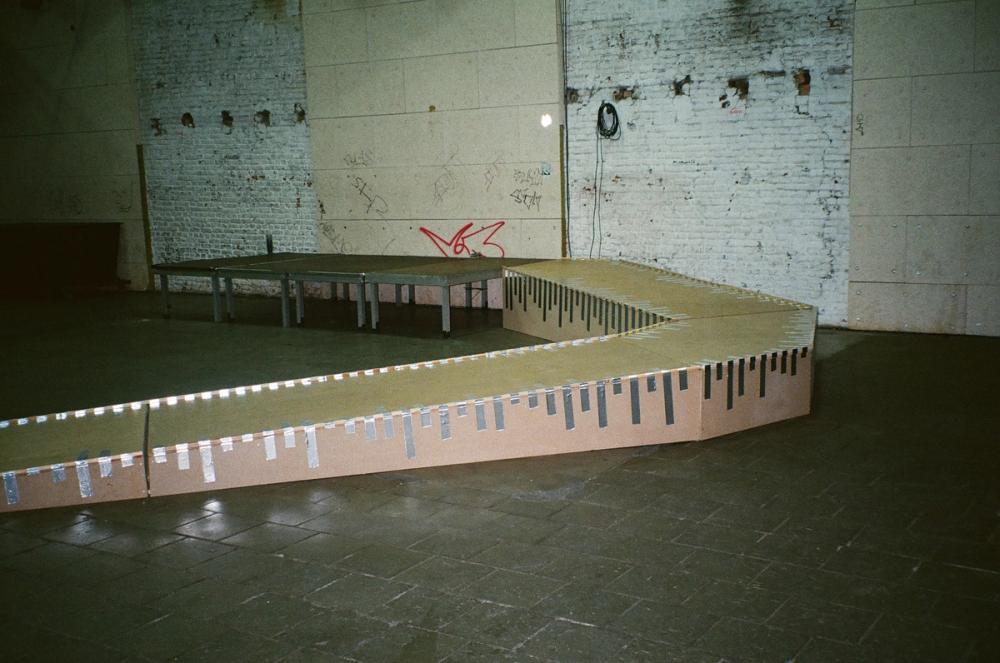
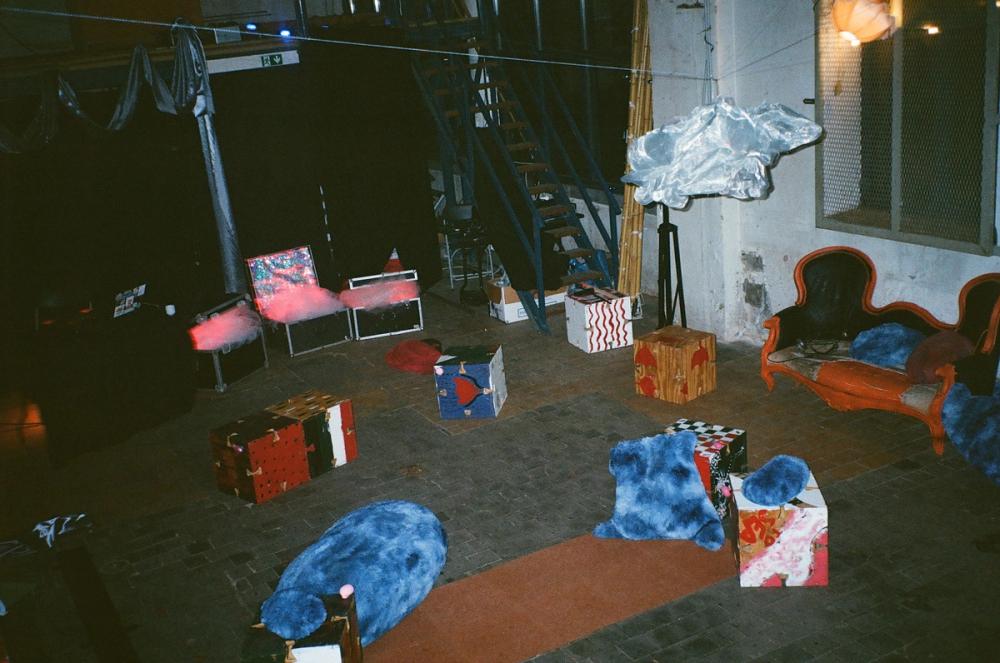
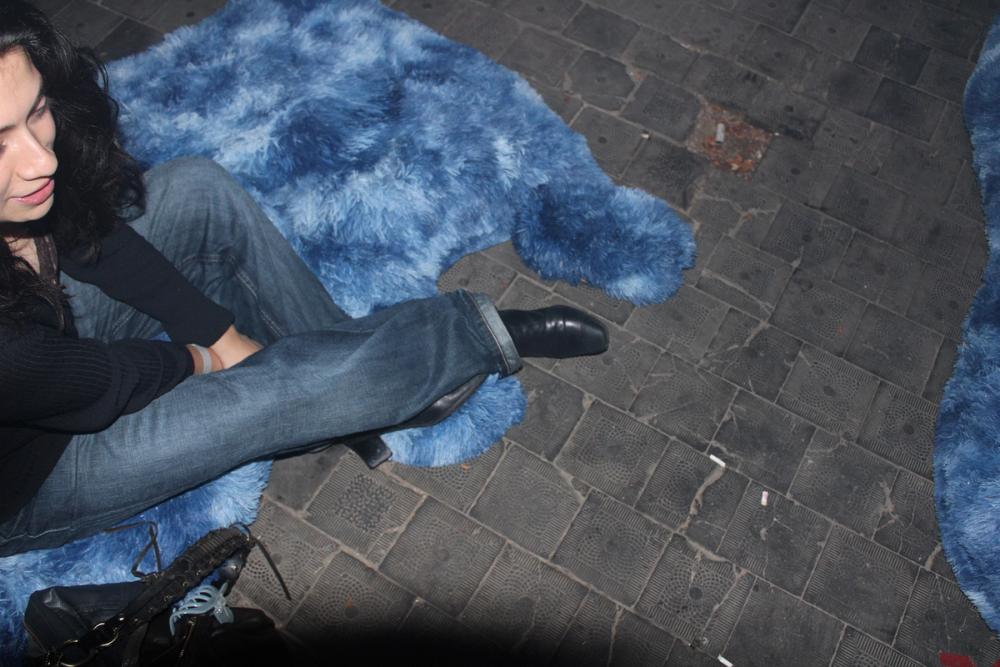
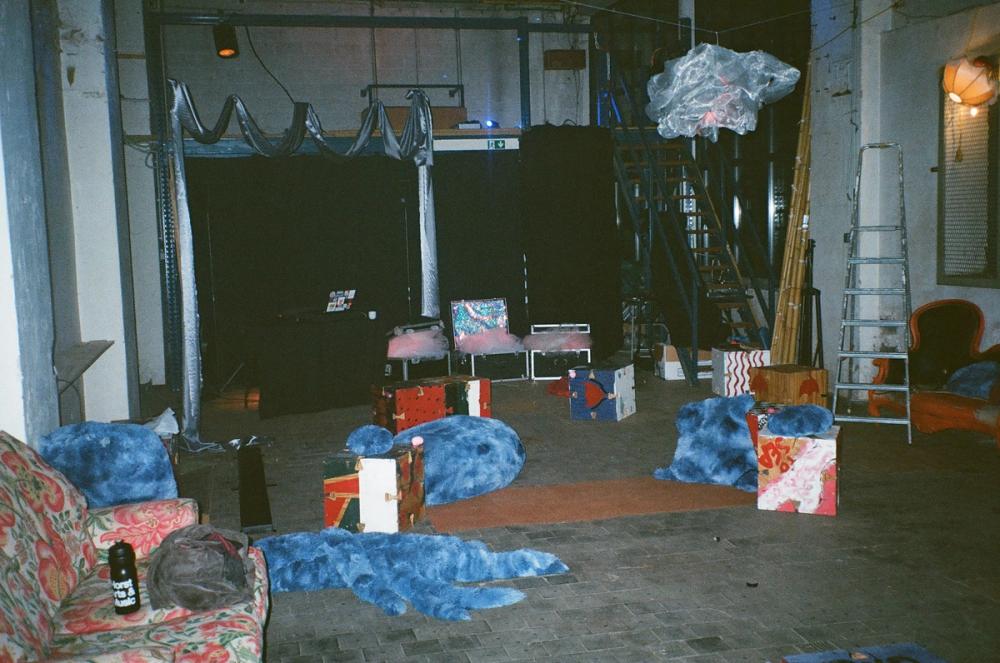
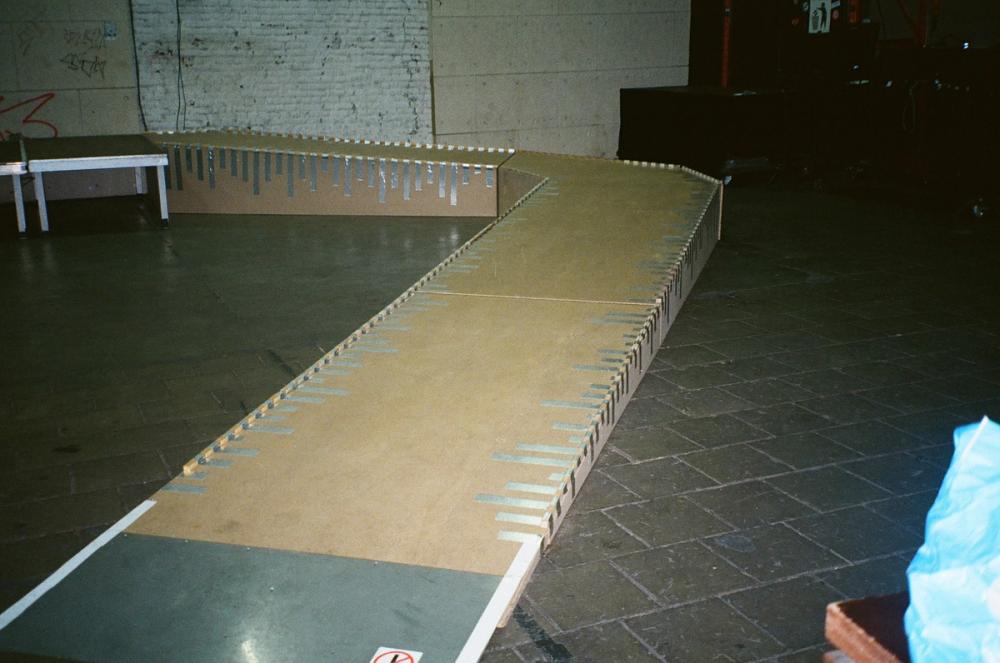
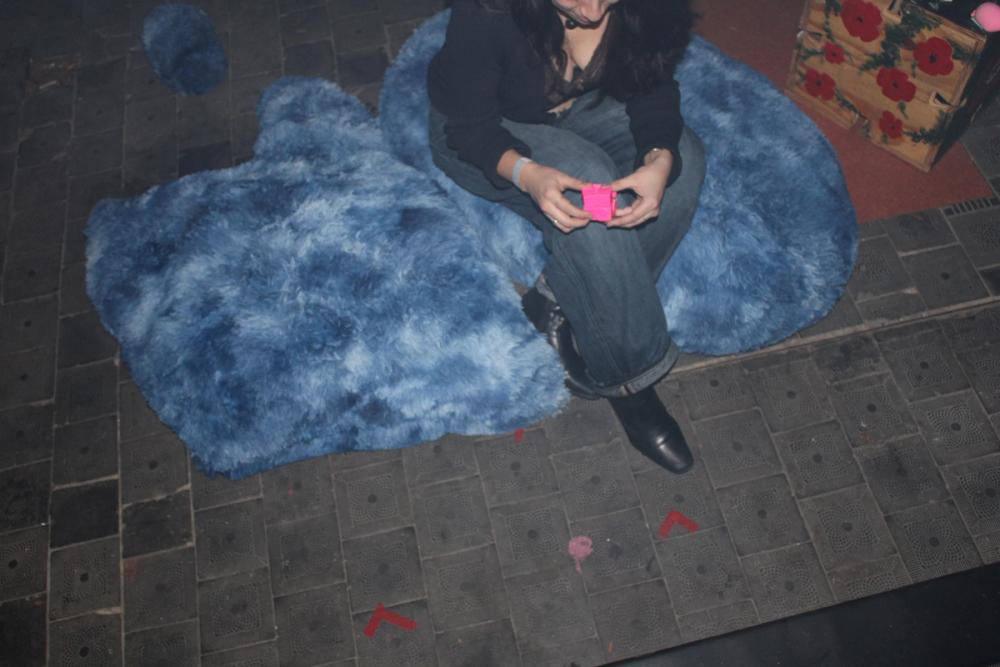
The entrance was improved with a carpet laid over the cobblestones and additional lighting added for safer navigation. A large ramp dancing platform was installed on the dancefloor. A low sensory room was created from scratch, complete with ambient music programming, soft furnishings, stim toys, carpets, and considered lighting design — all built and sourced by the team.
One of the most significant discoveries came during the pre-event audit: the accessible toilet had a door too narrow for a standard wheelchair to pass through. That door was widened — and will stay that way permanently, a lasting improvement to the venue long after the event itself.